Riichi Mahjong Yaku
Seven Pairs
Also known as: Chiitoitsu · Chitoitsu · 七対子
A closed hand made from seven distinct pairs instead of four groups and a pair.
Yaku value
Closed hand
2 Han
Open hand
Closed only
Requirements
Collect seven different pairs and keep the hand closed. Under standard Japanese rules, four identical tiles do not count as two pairs.

How to recognize it
- The hand contains exactly seven pairs instead of four groups and a pair.
- All seven pairs use different tile types under standard rules.
- The hand remains closed from start to finish.
- The winning shape is always a single-tile pair wait.
When to pursue it
Seven Pairs is practical when the hand starts with many disconnected pairs and few useful sequence shapes. It preserves flexible waits and can combine with Tanyao, Half Flush, or All Terminals and Honors.
When to change course
Change course when the pairs connect into efficient sequences or several pairs become triplets. Forcing seven pairs from only two or three pairs is usually too slow.
Hand examples
Seven distinct pairs
Winning tile
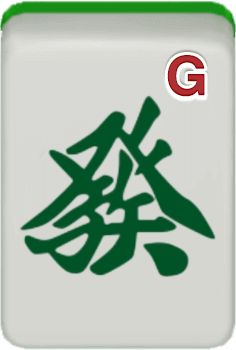
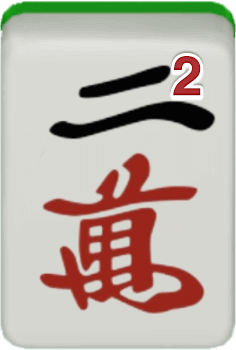
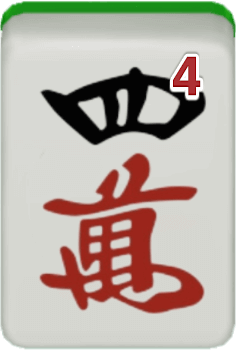
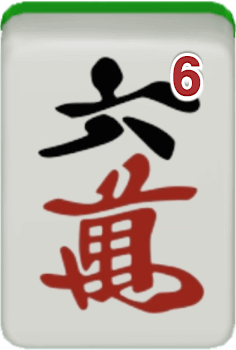
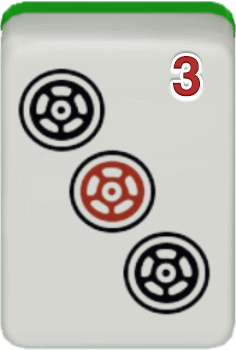
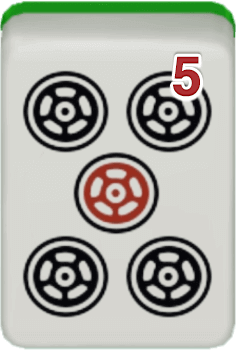
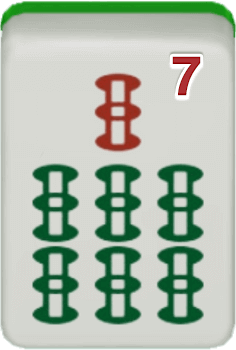
- Hand context
- The hand contains seven different tile types, each appearing exactly twice.
- Qualifies
- It is closed and satisfies the special seven-pair structure without using ordinary groups.
- Scoring note
- Seven Pairs is 2 Han and always uses a fixed 25 Fu.
Terminals and honors are allowed
Winning tile

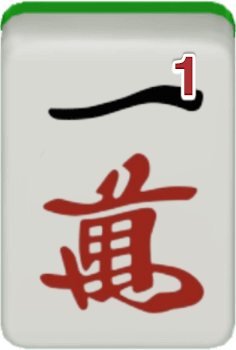
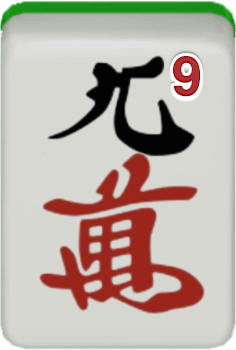
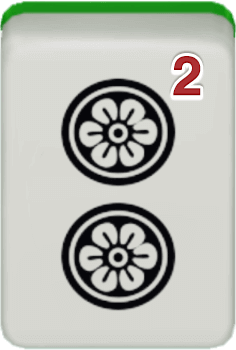
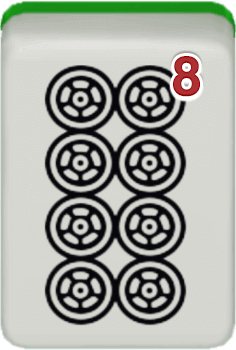
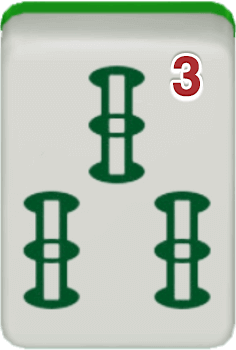
- Hand context
- The seven pairs include 1 Man, 9 Man, and an honor pair, but every pair is still distinct.
- Qualifies
- Seven Pairs does not restrict tile categories. Terminals and honors are legal as long as the hand is closed and has seven distinct pairs.
- Scoring note
- The hand remains 2 Han and 25 Fu before any additional compatible Yaku or Dora.
A quad is not two pairs
Winning tile
- Hand context
- Four identical 2 Man tiles appear together, followed by only five other pairs.
- Does not qualify
- Under standard Riichi rules, four identical tiles cannot be split into two pairs for Seven Pairs. The hand therefore has only six distinct pair types.
- Scoring note
- Seven Pairs is not awarded. Some local rules differ, so confirm the table rules before play.
Common scoring mistake
Seven Pairs uses a fixed 25 Fu. It does not combine with Pure Double Sequence, even if the tiles could be rearranged into identical sequences.
Values follow common modern Riichi rules. Local and tournament rules may differ, especially for double Yakuman.